Tuesday, May 23, 2006

The weed wars

The airwaves have been bursting with commercials warning of ugly invaders called dandelion, chickweed, and crabgrass. Chemical answers are offered, and Americans will spend billions in the war against weeds.

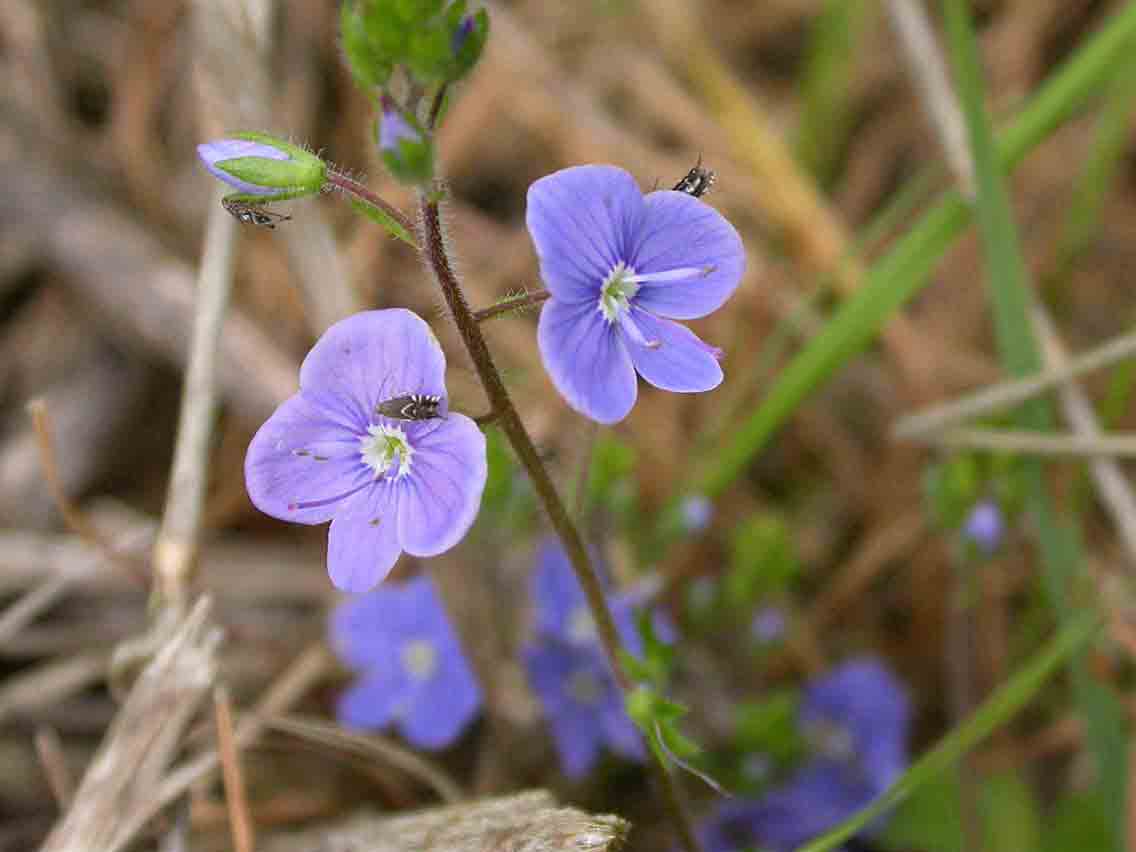
Why bother? What's so bad about having a few wildflowers mixed in with your grass? Why must all the lawn's greens looking monotonously alike? Why shouldn't a lawn, like a garden, have variety of color and shape?

Think of the advantages of a natural lawn: Less expensive (no chemicals to buy), less work (no weeding), fewer worries (buttercups won't bug you), fewer potential health hazards (that's poison you're pouring on those dandelions), more color and form (natural lawns are interesting, have variety, offer surprises), and more wildlife (songbirds love weed seeds).

The disadvantages? Well, you’ll still have to mow every week or two. And maybe it's a little tougher to practice your putting.

Tuesday, May 02, 2006

Zap the cracklers

Snap. Crackle. Pop.

The sound is not cereal but the death knell of the 71 billion insects killed annually in ``bug zappers.''

“Great,” you say. “The only good bug is a dead bug.”

The fact is, however, that most insects killed in zappers are beneficial or, at the least, not harmful or even annoying. Many are food for wildlife such as birds and fish. Others, like ladybugs and tiny wasps, attack and control harmful insects. Still others, including moths, are flower pollinators.

The mosquitoes and biting flies that owners think they’re killing aren’t even attracted to the device’s ultraviolet light. One scientific study of the contents of bug zappers found that of 13,789 bodies, only 31 were biting insects. That’s less than one-quarter of one percent and an incredible waste of not only life, but electricity.

The irony, the researchers said, is that bug zappers destroy many of the insects that kill and control mosquitoes and flies.

Do the world a favor and zap your zapper.

Thursday, April 27, 2006

Dead meat

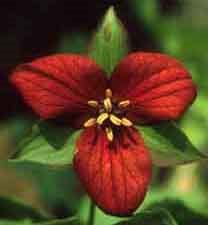
Some of our simplest-looking wildflowers offer some of the most sophisticated tricks for survival. Take the Red Trillium, for instance.

A handsome plant found in our open woods, Red Trillium bears big, three-petaled purple flowers in spring. The flowers are pretty, but they don’t mean to be. In fact, they mimic dead meat. The petals wear the color of carrion and the flower itself reeks with an odor among the most foul in nature.

The fakery is the trillium’s way of drawing flies. Unlike the many bee-oriented flowers, trillium uses flies for pollination. These are the same flies that explore the recently thawed forest floor, feeding on the carcasses of creatures that died over the winter. To a fly, a trillium looks and smells just like another spring corpse.

Unfortunately for trillium, the burgeoning numbers of White-tailed Deer have significantly cut its numbers in many areas.

It takes more than bad breath to offend a hungry deer.

Tuesday, April 18, 2006

Deadly balloons

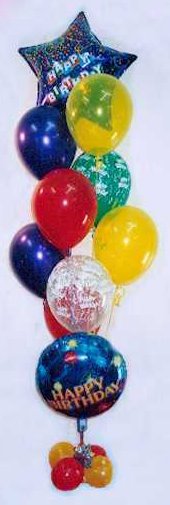
Just when you think you’ve heard all the ways we’re messing up nature comes news of yet another problem: balloons.

Yes, those symbols of childhood festivities are killing fish, birds, and even sea turtles. A full-page feature in the latest issue of Connecticut Wildlife points out that helium-filled balloons can travel miles, frequently ending up in the ocean. Fish and sea turtles see a popped balloon, think its food, and eat it. The result is a blocked digestive system and death.

Birds often grab the washed-ashore strings as nesting material, but these strings too often get wound around the birds – both parents and nestlings – resulting in strangulation or starvation. Swimming waterfowl can become entangled in the floating strings.

The problem is serious enough that Connecticut passed a law, making it illegal to launch 10 or more helium balloons in a 24-hour period.

So the next time you throw a birthday party, keep the balloons, as well as the kids, under control.

Tuesday, April 04, 2006

A pink potato

Some wildflowers, like hepatica, anemone, and trillium, wear fancy Greek or Latin names. Others, like cohosh and poke, bear colorful American Indian labels. However, often the prettiest and most appropriate names are simple American English.

Such is Spring-beauty, whose name tells its story. In early spring groves of these small, pink flowers welcome the winter-weary, who head for the woods in search of the season of new life. The flowers seem so delicate – and in a sense, are, since they will quickly wilt if picked. Yet they are able to withstand freezing nights and raw days.

The Indians’ interest in Spring-beauty was more practical than esthetic. They knew that down below, the plant’s little round corm offered food, sweet and a bit nutlike, and wearing a skin like a potato. Indeed, they have been called wild potatoes. But an even better name, so typical of wonderful old English-language folk names for wildflowers, is fairy-spuds.

Saturday, March 11, 2006

Squirrel sweets

Throughout New England, metal spigots are sticking out of tree trunks. It's sugaring season. When the sap flows, the buckets fill and the pots boil for hours to make maple syrup.

For unknown centuries humans have harvested this spring treat. But they weren't the first.

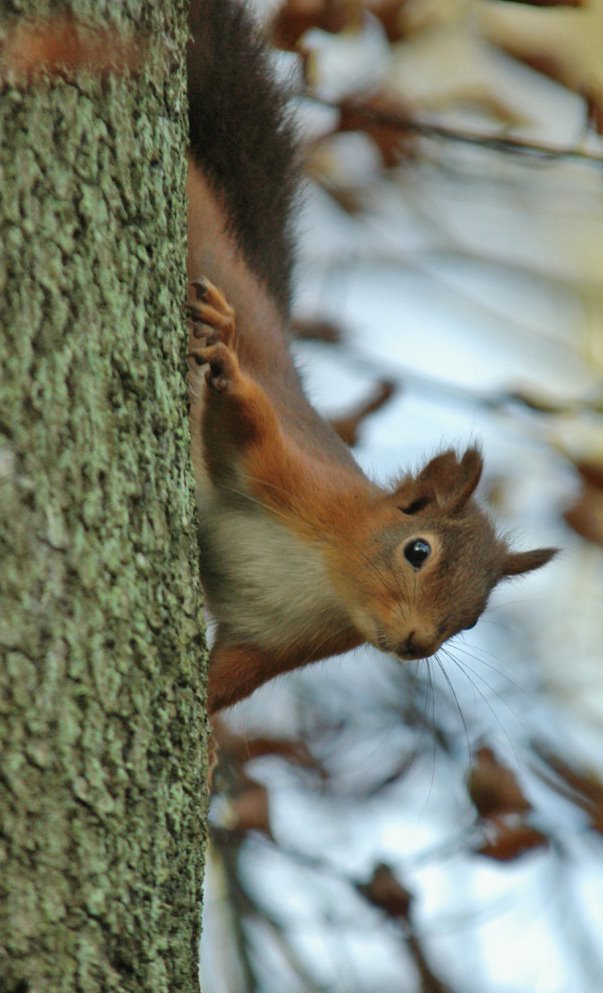
Since long before men rammed spiles into sugar maple bark, Red Squirrels have been making pre-spring rounds of these trees. They nip the bark, creating little grooves to start the sap dripping, and then move on to bite more bark. A day or two later, after the sap that flowed from the cuts has mostly evaporated, the rodents return to eat the sweet, sticky residue.

How do they know this cause-and-effect connection -- that a bite plus a wait yields food? The sap has barely any taste, yet these animals have learned to distill the watery fluid to its sweet essence -- squirrel-made maple syrup.

Will pancakes and butter be next?

Tuesday, February 28, 2006

Bottled waste

Most of us don’t think twice about grabbing a bottle of water for a walk or workout. But we ought to think about it a lot more than twice.

The statistics of waste and extravagance are staggering, says the Earth Policy Institute:

  • To package and ship the seven-billion gallons of bottled water we drink annually requires 1.5-million barrels of oil – enough to supply 100,000 cars for a year.
  • Nearly 90% of the bottles wind up in landfills, where they take a thousand years to biodegrade.
  • Bottled water costs 10,000 times what tap water does, and the difference in taste and content is usually barely detectable.
  • When billions of people around the world lack safe drinking water, we are buying bottled water at per-gallon prices that exceed what we are paying for gasoline!

Most of us drink bottled water in a quest for purity. But the cost of that assumed purity is both pollution and waste.

  The Jeremiah Bennett Clan: T he Days of the Desperados One morning in 1876, a Ridgefield man was sitting in a dining room of a Philadelphi...